

Restaurant operations
Shift handovers, rota planning and the day-to-day routines that decide whether a tip split takes two minutes or twenty.
The shift lead's playbook: how to resolve tip disputes fairly
Most tip disputes are not about greed. They are about information — someone cannot check a number, so they challenge it. A shift lead who can show the working ends the argument before it becomes personal.
How to get more tips: what actually works, according to research
Cornell researchers spent decades testing what makes guests tip more, so you do not have to run experiments on table twelve. Most of what works comes down to one thing: being a person, not an order-carrying process.
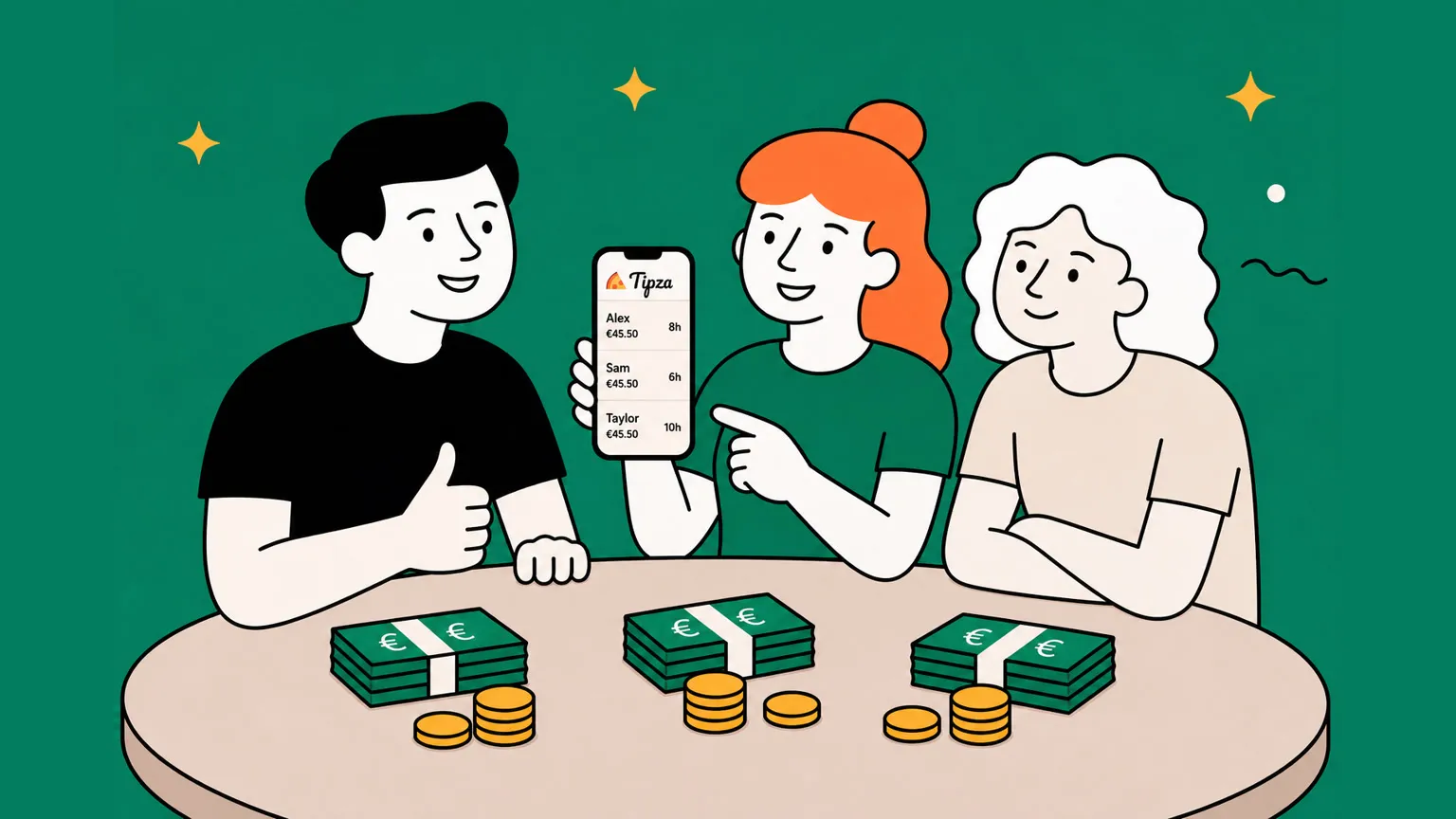
How to split tips at the end of a shift
Most tip arguments start after the last guest has gone, when somebody is already in their coat. A five-minute closing routine — total, rule, working, payout — is cheaper than the conversation that replaces it.

Service charge vs tips: what staff actually receive
Guests, staff and the till often treat a service charge and a tip as the same money. They are not. One is usually a price; the other is a gift. Mixing them up is how a payout turns into an argument.
Cashless tipping: what changes when the cash stops arriving
A cash tip is settled before the guest reaches the door. A card tip travels through an acquirer, a bank account and a payroll run first — and every one of those steps is a decision somebody has to make.
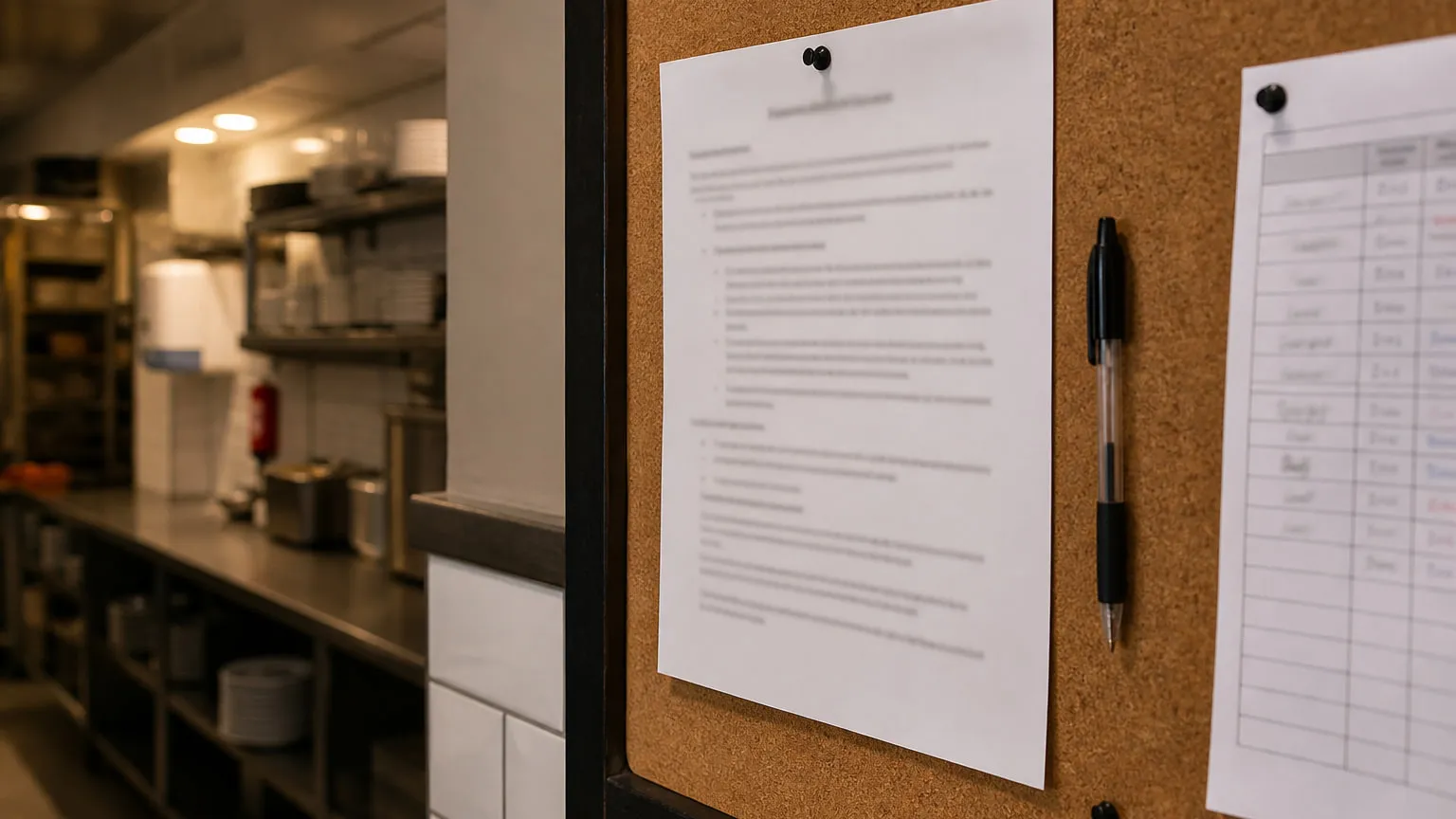
How to write a tip policy your team will actually read
A tip policy is not a legal document. It is one page that answers six questions, so that the next argument about a payout ends in ten seconds instead of a negotiation.